This article was written by Emma Graney and was published in the Globe & Mail on October 24, 2023.
Demand for oil, coal and natural gas will peak this decade, as the share of fossil fuels in the global energy supply drops because of a “phenomenal rise” in the use of clean energy technologies, according to the International Energy Agency.
The shift toward clean fuels is well under way, the Paris-based energy watchdog said in its 2023 World Energy Outlook, released Tuesday. It says current climate policies around the world will help drive down the share of energy produced by fossil fuels to 73 per cent from 80 per cent by 2030. The IEA also said it expects energy-related carbon dioxide emissions to peak by 2025.
The report describes an energy system in 2030 in which clean technologies play a significantly greater role than they do today, with almost 10 times as many electric cars on the road worldwide, solar panels generating more electricity than the entire U.S. power system does currently and renewables accounting for almost half of the global electricity mix.
Heat pumps and other electric heating systems are set to outsell fossil fuel boilers globally.
Along with electric heating systems, the analysis says three times as much investment will go into new offshore wind projects as new coal- and gas-fired power plants.
“The phenomenal rise of clean energy technologies such as solar, wind, electric cars and heat pumps is reshaping how we power everything from factories and vehicles to home appliances and heating systems,” IEA executive director Fatih Birol said in a statement.
“The transition to clean energy is happening worldwide and it’s unstoppable. It’s not a question of ‘if’, it’s just a matter of ‘how soon’ – and the sooner the better for all of us,” Dr. Birol said.
The 2023 outlook is the first time the agency has forecast a peak for all three fossil-fuel groups occurring this decade. The change in its projections highlights how quickly the energy system is transforming, though recent forecasts by the IEA have been dismissed by major players in the oil sector.
That includes Amin Nasser, the chief executive of Saudi Aramco, and Saudi Arabia’s Energy Minister, Prince Abdulaziz bin Salman. At this year’s World Petroleum Congress in Calgary, for example, Prince Abdulaziz said the agency had morphed from “a forecaster and assessor of the market to one practising political advocacy.”
The state-owned oil companies of Kuwait, Brazil and Angola also took issue with various IEA forecasts and road maps to net zero during the congress, while Alberta Premier Danielle Smith vowed that the oil and gas industry would in fact increase production.
Dr. Birol acknowledged that there would be a rise in demand for fossil fuels in some sectors, but said in the report that “claims that oil and gas represent safe or secure choices for the world’s energy and climate future look weaker than ever.”
Oil demand for petrochemicals, aviation and shipping will continue to increase through to 2050, but the report notes that it won’t be enough to offset reductions in demand from road transport, and the power and buildings sectors.
“Governments, companies and investors need to get behind clean-energy transitions rather than hindering them. There are immense benefits on offer, including new industrial opportunities and jobs, greater energy security, cleaner air, universal energy access and a safer climate for everyone,” Dr. Birol wrote in the report.
“Ultimately, what is required is not just to diversify away from a single energy commodity but to change the energy system itself, and to do so while maintaining the affordable and secure provision of energy services.”
Still, the report notes that the looming peaks in demand do not remove the need for investment in oil and gas supply, given how steep the natural declines from existing fields often are. At the same time, however, it underscores the economicand financial risks of major new oil and gas projects, on top of their climate risks.
The outlook also repeated a call made often by the IEA: Governments must work together to address major common challenges around climate and emissions, because a patchwork of individual efforts will fall short.
“We need to co-ordinate and co-operate – those in the lead and with greater resources need to help those further behind who have less. Each country must find its own path, but it still needs some signposts along the way,” Dr. Birol wrote.
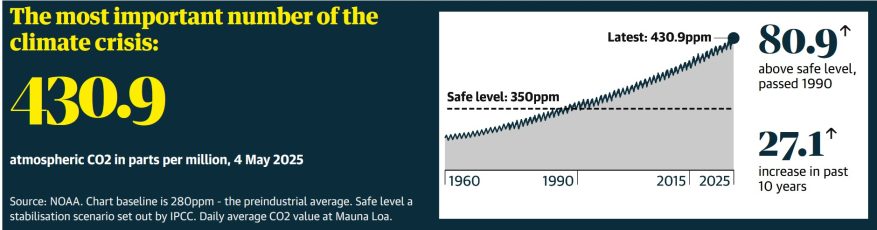
Despite the forecast drop in demand for fossil fuels, it’s likely still too high to limit the rise in average global temperatures to 1.5 C, per the Paris Agreement. Global warming will worsen climate impact and undermine the security of the energy system, which was built for a cooler world with less extreme-weather events, the report warns.
“Bending the emissions curve onto a path consistent with 1.5 C remains possible but very difficult. But the costs of inaction could be enormous,” Mr. Birol said.
 Mobilize, Canada!