Write a Letter to the Editor
One of the things that you can do to bring attention to an issue or concern that you have, is to write a Letter to the Editor of a Canadian newspaper whether national, local, or community. Here are the email ids for the Toronto Star and the Globe & Mail, respectively: lettertoed@thestar.ca and letters@globeandmail.com .
The following comments are taken from What makes a good letter to the editor? by Kenyon Wallace, Toronto Star, June 15th, 2018
“A good letter to the editor is timely, interesting, and well-written. It focuses on the issues at hand,” Phillips said in an interview. “It’s also short — letters run from about 50 to 250 words, so a premium is placed on writers who can get to the point very quickly and express a clear view. A touch of humour helps a lot, too.”
“We don’t like letters that are abusive, that engage in ad hominem attacks on other people, that mischaracterize the arguments of those the writer disagrees with, or are defamatory. We are happy to publish letters that oppose views expressed by Star editorials or columnists, but they must stick to the issues and avoid personal attacks,” said Phillips.
“We look for a range of subjects and views to keep the section lively,” he said.
Your Letter to the Editor (LTE)
- 150 words is ideal.
- Remember to provide your full name, address, and phone number. Only your name will be printed if your letter is published.
Here are some LTE’s that have been published by myself and other members of ClimateFast:
Nuclear option shouldn’t be the only option
This Letter To the Editor was written by Ray Nakano and was published in the Toronto Star on March 7, 2026.
How much will Doug Ford’s nuclear revolution cost Ontario taxpayers?Toronto Star, Feb. 28, 2026
As part of the Ford government’s “all in” nuclear strategy, which the premier has framed as a matter of energy independence, Ontario taxpayers and consumers are being asked to pay upfront for facilities such as small modular reactors years before they’re expected to be operational. Why is the province rushing into a $100 billion plus commitment without at least ordering an independent, transparent review of the idea? Ontarians deserve a cost benefit analysis comparing nuclear expansion with a strategy based on diversified renewable sources of energy — sources known to be cleaner, cheaper and faster to bring online. We need to know exactly how much our monthly bills are going to increase before we’re locked into a multigenerational plan that may already be technologically behind.
Ray Nakano, Toronto
Enbridge not giving Ontarians more options
This Letter To the Editor was written by Ray Nakano and was published in the Toronto Star on March 4, 2026.
Re: Why your Enbridge gas bill has gone up recently, Toronto Star, February 28, 2026
In your interview, Enbridge executive Michele Harradence claims the company “fundamentally believe(s) in giving our customers choice.” This is a difficult pill to swallow following the provincial government’s intervention via Bill 5.
Last year, the Ontario Energy Board (OEB) ruled Enbridge should stop charging existing customers for the cost of connecting new homes to gas. The OEB’s goal was twofold: protect current ratepayers from subsidizing fossil fuel expansion and encourage developers to offer homebuyers modern, electric alternatives like heat pumps.
Instead of embracing “choice,” the government introduced Bill 5 to overturn the regulator’s decision. This ensures Enbridge can continue to recoup its infrastructure investments from all of us, while effectively locking new homebuyers into gas heating by default.
True choice requires a level playing field. By using legislation to bypass an independent regulator and maintain a monopoly friendly status quo, Enbridge and the province aren’t offering Ontarians more options — they are simply ensuring we remain tethered to their specific infrastructure, regardless of the longterm costs to our wallets or the environment.
Ray Nakano, Toronto
SHINE A LIGHT
This Letter To the Editor was written by Ray Nakano and was published in the Globe & Mail on February 14, 2026.
While legacy Liberal-era contracts remain high, the cost of new solar has plummeted by roughly 90 per cent over the last 15 years. Globally, utility-scale solar is now one of the cheapest sources of new electricity.
In contrast, Ontario is doubling down on nuclear projects such as the $20.9-billion Darlington small modular reactors, which have been exempt from competitive procurements. By shielding nuclear energy from market competition while citing decade-old solar prices to justify its exclusion, the government is making a big bet with taxpayer money based on a flawed premise.
We should not confuse the cost of past policy mistakes with the current potential of low-cost renewables. If we want to avoid “soaring” rates, stop ignoring one of the most affordable kilowatthours on the market today.
Ray Nakano,Toronto
Ford’s nuclear strategy is a radioactive waste
This Letter To the Editor was written by Ray Nakano and was published in the Toronto Star on January 17, 2026.
Re: How Ontario keeps the true cost of nuclear power off your hydro bill, Toronto Star, January 11, 2026
Kudos to your climate reporter for explaining this sleight of hand by the Ford government. Ontario voters don’t feel the true impact of the province’s spending on electricity generation because ratepayers are entitled to the Ontario Electricity Rebate, which is paid for by … Ontarians. Premier Doug Ford promised during the election campaign last year to lower consumers’ electricity costs and this rebate has allowed him to do so. But sooner or later, the billions his government is spending to refurbish existing nuclear reactors and develop small modular reactors (which depend on enriched uranium from the U.S.) will come home to roost. We could spend much less by investing in renewables such as wind and solar instead. We’re already building battery storage; we just need to make sure the electricity for it comes from renewable sources. By kilowatt hour, nuclear power is the most expensive option. Wind and solar power, meanwhile, are the cheapest.
Ray Nakano, Toronto
Climate action essential to a secure economy
This Letter To the Editor was written by Ray Nakano and was published in the Toronto Star on January 16, 2026.
Re: How climate change is affecting life in Canada, Toronto Star, January 15, 2026
When experts like Mike Flannigan say their warnings have fallen on “deaf ears” for 30 years, it is a wakeup call that our current policy pace is a failure. As a country warming at twice the global rate, Canada cannot afford to be a laggard. Canadians should stop viewing climate action as an optional, environmental expense and start demanding it as a core pillar of economic security. Our stance must shift from passive concern to active accountability. We must demand that our leaders immediately prioritize a climate-ready economy and commit to: a real-time, transparent accounting of emissions reductions; an immediate end to fossil fuel subsidies that counteract our climate goals; mandatory national flood and wildfire protection standards; an enforceable emissions cap on the oil and gas sector; and a massive reinvestment in domestic, climate-resilient agriculture. We are past the point of `aspirational’ limits; we need a government that acts with the urgency that a multibillion dollar, life threatening crisis demands. If our politicians cannot manage the Climate Crisis, they cannot manage our economy.
Ray Nakano, Toronto
POWER DRAIN
This Letter to the Editor was written by Ray Nakano and was published in the Globe & Mail on October 22, 2025.
Re: Alberta doubling down on AI data centres with new mandate for utilities minister, Report on Business, Globe & Mail, Oct. 17, 2025
Artificial intelligence data centres use enormous amounts of electricity and fresh water. Someone should tell Big Tech that the majority of Alberta’s electricity is generated by fossil fuels.
If they’re looking for clean electricity, they’ll have to build their own (not a bad idea) or look to provinces such as Quebec, Manitoba or Newfoundland and Labrador with almost emissions-free electricity. I find it ironic that Alberta produces the most greenhouse gas emissions by province and has essentially placed a moratorium on renewable energy, but now wants to attract energyintensive AI data centres.
Who would pay for the needed buildout of electricity generation? When Albertans want to turn up their air conditioners because summers are getting hotter, which group would get preference: AI data centres or Albertans? Reliability and affordability would become problematic.
For the rest of Canada? Alberta emissions would go up. Albertans should call their MLAs before it’s too late.
Ray Nakano, Toronto
Conflict of interest with homes program
This Letter to the Editor was written by Ray Nakano and was published in the Toronto Star on October 15, 2025.
Re: Are heat pumps more expensive now that Mark Carney killed the carbon tax? Ontario homeowners question truth of Enbridge notice, Toronto Star, Oct. 10, 2025
Why would Enbridge be chosen by Doug Ford’s government to administer the Canada Greener Homes Grant program?
It’s like having the fox look after the henhouse.
This is a program to help homeowners retrofit their homes to make them more energy efficient and reduce their carbon pollution by switching gas furnaces to heat pumps. Enbridge doesn’t make their money from the gas itself but by maintaining and expanding their distribution network. If an Enbridge customer no longer uses gas and disconnects from their network, that’s one less customer paying Enbridge for their infrastructure maintenance and expansion costs.
Ditto for new customers in new housing developments currently “forced” to connect to Enbridge’s distribution network. Why not have the Independent Electricity System Operator or Ontario Power Generation administer such home retrofit programs, or municipalities such as the City of Toronto that have ambitious climate action plans they want to implement? These entities would clearly have no conflict of interest or bias.
Tell your MPP to replace Enbridge as the administrator of the current and any future home retrofit programs.
Ray Nakano, Toronto
On fossil fuels, let Canadians decide what to do
This Letter to the Editor was written by Ray Nakano an was published in the Toronto Star on October 4, 2025.
Re: Carney and the politics of promoting fossil fuels, Opinion, Toronto Star, Sept. 24th, 2025
Kudos to David Suzuki and Sabaa Khan for their excellent column. They do a good job covering the waterfront and everything that Prime Minister Mark Carney is doing wrong when it comes to staving off the worst impacts of the climate crisis. So why is this happening? Suzuki and Khan say the system is “rigged” because our legal, political and economic frameworks don’t value or protect nature and the environment. Instead, constant economic growth, corporate profits and shortterm political thinking have taken precedence over clean air, water and soil — and over the urgent and drastic action that is needed to curb our greenhousegas emissions. It’s these emissions that have given rise to the catastrophes listed in the column.
The 2025 United Nations Climate Change Conference, or COP30, will take place next month in Brazil. Why are fossilfuel lobbyists being permitted to attend? These are the very lobbyists trying to block and otherwise hinder effective resolution building. How can we resolve to wind down the fossil fuel industry worldwide when we have to form a consensus with petrostates such as Saudi Arabia, Russia, the U.S. and even Canada? Does anyone think they’ll agree to sacrifice their fossil fuel cash cows? Let’s have a democratic vote instead, so we can continue winding down the extraction of fossil fuels and develop clean and cheap renewable energy before it’s too late.
Ray Nakano, Toronto
Clean Energy
This Letter to the Editor was written by Val Endicott and was published in the Globe & Mail on September 2, 2025.
Re “B.C. Energy Minister wants to lead in clean power at home while exporting fossil fuels abroad” (Globe & Mail, Aug. 22):
The argument that Asian countries need our (expensive) gas is fast becoming a losing one. There are many red flags flying in the industry itself suggesting that Asian liquefied natural gas (LNG) markets are a volatile and risky business. They are so for many reasons, not the least of which is that inexpensive, climate-safe renewables are “unstoppable,” according to the International Energy Agency.
The emphasis on LNG is a colossal waste of money, and it is frankly unethical. LNG is not a bridge to clean energy. It is mostly methane – a greenhouse gas that is 80 times more powerful at trapping heat in the atmosphere than carbon dioxide.
If doing the right thing is not reason enough to stop building out LNG globally, then the International Court of Justice ruling is absolutely clear: If we pursue this course of action, we stand to be sued by those countries most affected by the fossil-fuel-induced climate crisis.
Our money and brainpower would be better spent building up renewable energy and our international reputation would be better served by being a global leader in doing so.
Valerie Endicott, Belle Cote, Cape Breton, N.S.
This Letter to the Editor was written by Ray Nakano and was published in the Toronto Star on July 26, 2025.
Canada is facing unnatural disasters
Re: Federal officials say wildfire forecast shows high risk of more fires this summer, Toronto Star, July 18th, 2025
These wildfires are unnatural disasters, exacerbated by human activity. This article talks about the current fires being the worst on record in terms of total area burned and number of people evacuated, but this is only the beginning. These records will surely be broken unless we deal with a major cause of climate change: our continued burning of fossil fuels that pollute the atmosphere. The warming of our planet is giving rise to more frequent and more intense heatwaves, droughts, flooding, hurricanes and wildfires. It’s important that we learn how to adapt to these worsening disasters, and it’s important that we mitigate global warming — yet our governments are too busy talking about “carbon capture” and building pipelines. We need to wake up and smell the wildfire smoke: people are losing their lives and homes because of the climate crisis. Canadians must tell our politicians to take urgent and drastic action to reduce oil and gas production, shift to renewable energy and give our children and grandchildren a healthier, more sustainable future before it’s too late.
Ray Nakano, Toronto
This Letter to the Editor was written by Ray Nakano and was published in the Toronto Star on June 24, 2025.
We must invest in renewables or pay the price,
Re: Global warming limit looming, report says, June 20, 2025
The same climate scientists that warned us about global warming in 2018 and the 1.5 C threshold are now telling us we have three years left if we want to stay under it.
That’s in 2028. In 2024, we had the hottest year ever. We’ve seen the devastating effects of wildfires in Fort McMurray, Lytton and Jasper. In 2021, the heat dome in B.C. killed more than 600 people.
Torrential downpours known as atmospheric rivers have caused severe flooding in Abbotsford, Toronto and Mississauga, to name but a few. In 2022, Hurricane Fiona battered the Maritimes.
This will all get worse unless we stop burning fossil fuels.
Canada needs to wind down its fossil fuel industry.
Stop building new fossil fuel infrastructure (pipelines) and invest instead in clean, cheap renewable energy: solar, wind, geothermal and tidal.
Ray Nakano, Toronto
This Letter to the Editor was written by Ray Nakano and was published in the Globe & Mail on June 4, 2025.
Burning Away
Re: “Wildfires force Alberta oil sands producers to evacuate workers, stop some oil flows” (Globe & Mail, Report on Business, June 3)
We already have wildfires in British Columbia, Alberta and Ontario. Manitoba and Saskatchewan have declared states of emergency. Thousands are being evacuated and homes are being destroyed.
Why? Because we continue to burn fossil fuels, producing more carbon emissions which warm the planet. This blanket dries out our forests and underbrush, and ironically produces the atmospheric rivers and torrential downpours that flood other parts of Canada and the world.
Yet fossil fuel companies want our governments to build more pipelines. Instead, Alberta should lift the ‘moratorium’ on renewables and support its development and growth. Ontario should stop running gas plants, lift the moratorium on offshore wind, and invest in renewables instead of nuclear energy.
Fort McMurray, Lytton, Jasper: All signs of things to come and worse, unless we change what we do now. Later is too late.
Ray Nakano, Toronto
This Letter to the Editor was written by Ray Nakano and was published in the Toronto Star on March 25, 2025.
Ontarians need to push back against Bill 165
Re: Why Doug Ford’s decisions mean Ontario can’t cut off energy to the U.S. as threatened, (Toronto Star, March 6, 2025):
Kudos to Taylor C. Noakes for his article and reminding readers that Premier Doug Ford created our reliance on U.S. gas.
Ford and Stephen Lecce, Ontario’s Minister of Energy and Electrification, have willingly caved in to nuclear and fossil fuel lobbyists to build new nuclear power stations and new gas plants, rather than investing in cheaper, cleaner and more quickly built (especially, in the case of nuclear) renewable wind and solar energy. The Ontario government rebating heat pumps and funding EV battery production makes no sense if Ontarians are using “dirty” electricity produced by burning fossil fuels.
Ford reversed the Ontario Energy Board’s decision to stop Enbridge charging all its Ontario gas customers for Enbridge’s continuing expansion of its gas network, particularly into new subdivisions. Because of Ford, the hundreds of millions of dollars that are spent every year by Enbridge on new gas lines are passed on to all existing Enbridge customers. And because of this, new homeowners in those new subdivisions are buying homes heated by polluting gas furnaces instead of having the alternative of cheaper, cleaner and more efficient heat pumps.
Burning fossil fuels is polluting our atmosphere, warming the planet and giving rise to more and more extreme wildfires, floods, tornadoes and other extreme weather events.
If we want to address the climate crisis, make ourselves selfsufficient and not be held hostage by the U.S., we need to stop importing gas from the U.S. for our home heating and our electricity generation. Tell your MPP we need to build cheap, clean solar and wind energy, and rescind Bill 165.
And let the Ontario Energy Board do its job looking after Ontario energy consumers.
Ray Nakano, Toronto
This Letter to the Editor was written by Ray Nakano and was published in the Toronto Star on March 11, 2025.
A rising need for cleaner energy
Re: Enbridge says our natural gas bills are about to increase. Here’s what the large hike will look like, (Toronto Star, March 3, 2025):
Thank you Enbridge, for warning Ontarians of your rising gas prices.
This is precisely the further incentive Ontarians need to switch their gas furnaces to heat pumps.
The climate crisis is upon us and is only going to get worse unless we stop burning fossil fuels. We will have more and more intense wildfires, flooding, tornadoes, etc. affecting our health, our homes, home insurance costs and our lives.
At the same time, we have to keep our electricity grid clean by switching to cheap, renewable energy, solar and wind, and stop generating electricity via gas plants. Nuclear reactors will take years to build. We need clean electricity now.
Ontario homeowners can access Ontario’s Home Renovations Savings program for rebates to help them make the switch to an electric heat pump.
Later is too late: Do it now.
Ray Nakano, Toronto
This Letter to the Editor was written by Lyn Adamson and was published in the Toronto Star on February 26, 2025.
Ontario lacking visionary plan for its energy future
Re: `We are going in the wrong direction’: Why last year saw Ontario burn a record amount of natural gas, (Toronto Star, Feb. 26, 2025):
Thank you to the Toronto Star for three recent opeds on the failure of Doug Ford’s government to address the health, housing and education crises in Ontario.
There’s a fourth crisis they are failing to address, and that is the need for an affordable and sustainable energy future for our province.
Despite the cost of solar electricity falling rapidly, the Ford government has set up barriers to new solar projects. These barriers favour new gas and nuclear projects that are very costly, polluting and, in the case of nuclear, far off in the future.
We could greatly reduce our carbon emissions, improve our health and save billions of dollars by giving solar projects the opportunity to bid competitively for Ontario’s electricity contracts. The government is currently subsidizing hydro upward of $7 billion per year and is planning to expand the most costly sources of power generation. This costly path is wrong for Ontario.
Lyn Adamson, Toronto
This Letter to the Editor was written by Liz Addison and was published in the Toronto Star on January 11, 2025
.Right Over There
Re “The climate agenda is in rapid retreat as right-wing parties rise everywhere” (Report on Business, Jan. 4):
Not only do these right-wing parties not have any desire to deal with climate change, they are also ending initiatives already in place.
Research shows that a growing number of people are very concerned about climate change and want their governments to do something about it.
The growing strength of rightwing parties and ideologies is a response to widespread belief that climate policies are incompatible with capitalist economic systems, as well as anxieties and stresses around rapid societal, economic and technological change.
Climate activists should therefore unhitch climate policy from other social and economic agendas. Promote transitions to lowcarbon economies as the only way to avoid unsupportable financial, environmental and human loss, while opening a wealth of opportunities and benefits regardless of one’s political leanings.
Liz Addison, Toronto
This Letter to the Editor was written by Ray Nakano and was published in the Toronto Star on December 14, 2024.
Lies, lies, and more lies
Kudos to Catherine McKenna for laying bare the lies that the Canadian fossil fuel industry has been telling us for years, in their advertising on TV, radio, newspapers, social media, billboards and on TTC vehicles. Their goal: to make billions in profits for their shareholders and CEOs, before they no longer can. The result: “a deadly and unsustainable future” for our children; polluted tailing ponds and leaking, abandoned and orphaned oil wells that the public will have to pay billions to clean up; and a lost opportunity to transition Canada sooner to a cheaper, cleaner renewable energy economy. Canadians, open your eyes to what is really going on, and tell your elected representatives to take urgent and drastic climate action now. Later is too late.
Ray Nakano, Toronto
This LTE was written by Val Endicott and was published in the Globe & Mail on September 2, 2024.
UNDER A CLOUD OF SMOKE
Re “Canada’s wildfires were a top global emitter last year, research shows” (Aug. 29)
Canada’s piece of the global emissions pie is now the fourth largest in the world because of our horrific forest fires. We carry a big responsibility to do something about that.
We must contribute significantly to reducing the excess of greenhouse gases that are causing us to warm at twice the rate of the rest of the world and that is causing the excessively dry conditions. How?
We must address the primary cause. We must not allow any new oil, coal or gas infrastructure, and we must ramp down production of fossil fuels fast.
The industry will not take the lead on this as long as there are incredible profits involved. It is up to our government to regulate the playing field and put our money into renewable energy sources and energy conservation innovations. We have no time to lose.
Valerie Endicott Toronto
This LTE was written by Lyn Adamson and was published in the Toronto Star on August 16, 2024.
Rain gardens can help store excess rainfall
Re: Toronto’s had a stormwater management project underway for years, Aug. 11
With thanks to the city for taking on this huge infrastructure program to store excess rainwater during extreme weather to prevent flooding, it’s important to also recognize the role that nature can play in absorbing water.
Many cities have made plans to become “sponge cities,” with wetlands, permeable paved surfaces, trees and ravine restoration. In addition, homeowners can create beautiful rain gardens in their front or back yards, or in community spaces.
My sister worked with RAINScapeTo to create her own front yard rain garden, consisting of a shallow depression to collect water from the downspouts, which is covered with flowering native plants.
It is created by digging a rockfilled area under the lawn and completed with native species on the soil above. Beautiful and functional!
Lyn Adamson, Toronto
This LTE was written by Ray Nakano and was published in the Toronto Star on August 15, 2024.
Rise of flooding is not exclusive to Toronto
Quebec recovering from historic rainfall, power outages as storm remnants move east, Aug. 10
Flooded basements, power outages, roads washed out … sound familiar? What Quebec experienced is just like what happened to Toronto on July 16, as torrential downpours hit Montreal and its surrounding areas.
Whether remnants of more and more extreme hurricanes or not, these are unnatural disasters brought about by global warming. We need to stop burning fossil fuels like coal, oil and gas, and switch to clean and cheap renewable energy.
Our roads, bridges and stormwater infrastructure were not built for once-in-a-hundred year rainfall events that are happening more frequently. We need a city storm water charge that will help pay for upgrading our storm water infrastructure. The sooner, the better before the next torrential downpour.
Ray Nakano, Toronto
This LTE was published in the Globe & Mail on August 8, 2024
PRESIDENTIAL FUEL
Re “Kamala Harris’s energy policies could be her Achilles’ heel” (Aug. 5):
We are told that Kamala Harris’s big error was supporting a ban against fracking, which “is the very reason that the U.S. can produce increasing amounts of oil and natural gas and have the relative energy independence it does.”
Producing more fossil fuels will likely propel more climate change disasters such as Hurricane Beryl, the earliest Category 5 hurricane ever recorded, and wildfires in the west. Energy efficiency and renewable energy sources should be the way to have energy independence.
More people should let our politicians know that we want them to tax and regulate the fossil fuel industry and support the transition to a clean and just economy.
For starters, Canadians can write their MP to say that they celebrate the rebate every time their cheques come in.
Roberta Tevlin Toronto
Kamala Harris is no radical leftist. She appears to be a pragmatist who, like Joe Biden, seems to recognize that the only way to get Americans and the rest of the world to stop producing fossil fuels is to cut off demand.
Once people are confident that there are dependable, less expensive, cleaner ways to generate the power they need, fossil fuels will likely go the way of the horse and buggy. And that can’t happen fast enough.
Liz Addison Toronto
This LTE was published in the Toronto Star on August 7, 2024.
Walz is a climate champion
Harris picks Minnesota Gov. Tim Walz as her running mate in a bid to unite Democrats against Trump, Aug. 6
Thanks for your excellent article on Kamala Harris’s pick of Tim Walz for vice-presidential running mate.
I would like to add one very important commitment Walz brings to the VP candidate role — his commitment to climate action.
Walz’s administration has prioritized tackling the climate crisis and advancing clean energy. Walz signed legislation to accelerate renewable energy projects and move Minnesota utilities to 100 per cent clean energy generation by 2040. And Walz shows how this can be done while also improving the economy and quality of life for all.
Minnesota has seen $1.15 billion (U.S.) in investment thanks to the Inflation Reduction Act and other Biden-Harris climate policies, which have created 2,000 new jobs.
A climate champion in the White House will help bring a livable future for all.
Lyn Adamson, Toronto
This LTE was published in the Toronto Star on July 29, 2024.
Premier cries crocodile tears over wildfires
Re: We are losing the prettiest places in Canada. And still, we will not change: Mallick, July 26
Premier Danielle Smith got emotional when speaking of the destruction in Jasper, one of Canada’s most beautiful and iconic places. Columnist Heather Mallick is so right to question the premier’s sincerity as she pushes for more drilling, processing, burning and selling of climate-disrupting fossil fuels.
Liz Addison Toronto
This LTE was published in the Globe & Mail on July 26, 2024.
SOUND THE ALARM
Re “Jasper National Park evacuations complete after massive effort to help thousands flee wildfire” (July 24):
We can only imagine what the campers and residents of Jasper and the surrounding Jasper National Park are going through. Worry, fear, anxiety. Our hearts and minds go out to them because of this unnatural disaster. Climate change is harming us directly – burning homes, communities and places we know and love. Disasters like these are increasing in frequency because of climate change. These unnatural disasters are fuelled by burning fossil fuels such as oil, gas and coal. Canada’s actions alone won’t stop wildfires. But every tonne of fossil fuel pollution we reduce matters, and Canada is a big source of this pollution. Canada needs to regulate pollution and innovate. We need to show the way and keep up with record setting investments in renewable energy in countries such as China. We’re all facing this together. Let’s pull together to protect the people and places we care about.
Ray Nakano Toronto
UP FRONT
These LTE’s were published in the Globe & Mail on June 25, 2024.
Re “Canada’s anti-greenwashing rules are good business. Critics exaggerate the dangers” (June 24):
Perhaps it is time for some plain language in the matter of greenwashing by the fossil fuel industry.
This industry knows and understands science. The documents are clear that foreign giants such as Exxon and Shell have known for decades that burning fossil fuels causes climate change, and that they have deliberately run media and lobbying strategies to deny that fact and delay action.
It is only reasonable to assume that the industry today also knows the science, yet false advertising was caught by Ad Standards in January – and they still didn’t stop with the misleading campaign. There is a simple word for saying something known to be false: lying.
Forcing fossil fuel companies to stop lying is long overdue, and is essential if Canada is to have a meaningful national conversation about how we do our part to protect people and the planet from the worst of climate change.
David Miller Managing director, C40 Centre for City Climate Policy and Economy; Toronto
I look forward to the day when federal subsidies for carbon capture projects are conditional upon the independent verification of their efficacy, and when calculations of Canada’s contributions to the climate crisis include emissions from the burning by other nations of our fossil fuel exports.
Liz Addison Toronto
Well Read
This LTE was published in the Globe & Mail on February 28, 2024.
Re “Ontario tables bill to overrule provincial energy regulator on natural gas decision, says it would raise cost of new homes” (Report on Business, Feb. 23):
Ontario’s Energy Minister says that the Ontario Energy Board, which exists to defend the interests of provincial energy consumers, made a “rash,” “rushed” and “irrational” decision and had failed to consult relevant stakeholders.
The OEB made its decision after a year-long process with extensive consultations, all meticulously detailed in its 147-page report. Far from being “rash,” “rushed” and “irrational,” I find that the OEB’s decision was based on a reasoned decision not to force consumers to pay for a gas distribution system. Such a system would surely become redundant long before a 40-year amortization period expires as the world, of necessity, transitions to clean energy alternatives.
The OEB’s decision will likely save Ontario homebuyers money as builders choose to service new communities with cheaper, non polluting energy sources.
Liz Addison Toronto
Unspoken costs
This LTE was published in the Globe & Mail on December 30, 2023.
While some people may believe the letter-writer’s claim that the oil and gas industry is the “foundation of modern civilization,” there is no doubt whatsoever that the continued burning of fossil fuels will inevitably bring an end to our civilization. An unlivable planet is too steep a price to pay for any amount of generated wealth.
Liz Addison Toronto
Climate plan is problematic
Re: Green co-leader says Canada’s climate fight is nearly lost, Nov. 9, 2023.
Although I appreciate Jonathan Pedneault’s harsh words, telling it like it is, it is not the way to win over the public by calling them “idiots.” He is correct in stating that we are headed to a “climate hell” if we continue as we are doing business as usual.
The current federal climate action plan is problematic: its continuing policy delays (clean electricity, emissions caps), few measurable targets, a now tarnished carbon fee and dividend program (not a carbon tax), and implementation delays (the federal promise to plant two billion trees by 2030). As pointed out by the federal environmental commissioner, we are on our way to missing (again) our latest emissions reduction goal set for 2030, continuing our reputation as the laggard country of the G7.
We, Canadians, need to wake up. We are experiencing what will be our hottest year ever. Our worst wildfire season will get worse. There is no “new normal.” It will get hotter, drier, wetter … all because we are in a climate crisis. Our children and grandchildren will be choking on increasing carbon pollution and wildfire smoke, or worse — unless we wake up and take action.
Switch your furnace to a heat pump, switch to an EV … stop burning fossil fuels. Talk about our climate crisis. Unless we talk about it, we won’t do anything about it.
Our politicians are being lobbied by fossil fuel companies, land developers, even our financial institutions (RBC was the largest investor in fossil fuels in 2022, in the world). We voters need to demand that our elected representatives take urgent and drastic action to stop the development and expansion of more fossil fuel production, stop subsidizing the fossil fuel industry, stop supporting developers in building unnecessary highways and encroaching on our greenbelts, stop fossil gas heating in new housing development. Instead, start investing in electrification of our heating and our public transit, and renewables: solar, wind, geothermal, and tidal.
We should be demanding that our fossil fuel companies develop their plans for winding down their production: 40 per cent by 2030, to zero by 2050. How else will we get to net zero? We need to demand all of this before it’s too late.
Ray Nakano Toronto
CAPTURE RESULTS
Re “Carbon capture moves from science fiction to reality. The next step is the tough one” (Globe & Mail, Editorial, Nov. 1, 2023)
Yes, the climate emergency requires us to use every tool in the tool chest, including carbon capture. However, rather than being automatic, federal funds should be conditional upon the effectiveness of these efforts.
Oil and gas companies should have to apply for federal funds and indicate the amount of carbon they expect to capture. Funds should only be granted if targets are met.
Rewards for results should be the demand of fossil fuel companies, which are earning record profits and hardly in a position to take public funds without public benefit.
Liz Addison Toronto
FEELING ENERGIZED
Re “How to blend oil and climate” (Globe & Mail, Editorial, Sept. 23, 2023):
The latest report from the International Energy Agency says that carbon capture technologies are “expensive and unproven at scale” and that we “must do everything possible to stop putting it there in the first place.”
If fossil fuel companies such as Canadian Natural Resources want subsidies to get emissions down to safe levels, they should be investing in renewables. If they want to pursue carbon capture technologies, they should do so on their own dime.
Meanwhile, our tax dollars are needed for things such as funding renewables, training for a green economy, building climate-resilient affordable housing and vastly increasing public-transportation infrastructure.
Using our money to scale all this up would go a long way toward helping us individuals do our part in bringing about a healthier, decarbonized future for all.
Val Endicott Toronto
Re “Ottawa making energy companies the middle man with net zero electricity legislation, ATCO chief executive says” (Globe & Mail, Report on Business, Sept. 25, 2023):
ATCO CEO Nancy Southern is right that the federal government should be upfront about the cost of transitioning to a clean energy grid and a “mischievous energy policy” with the goal of net zero by 2035. However, Ms. Southern and others from the go-slow faction should be honest about the cost of inaction.
I’m afraid it’s a matter of pay now or pay later – with double digit compound interest.
Liz Addison Toronto
My LTE was published in the Globe & Mail on August 26, 2023, in response to this article by Wendy Stueck of the Globe & Mail entitled ‘How to manage climate-related anxiety, stress’, Globe & Mail, August 19, 2023.
Doing Your Part
You start by asking yourself why are the wildfires getting bigger, more intense and more numerous? It’s because of climate change. If you think further, you understand it’s because we are burning fossil fuels.
Your personal action plan should be directed to that goal: burning less fossil fuels. Drive less; switch to an electric vehicle; fly less; switch to an electric heat pump; eat less meat and dairy; tell your MP, MPP and city councillor that you want action on climate change; join or donate to an environmental group; attend protests; and vote.
Most importantly, talk about climate change. Unless we talk about it, we won’t do anything about it. If we do nothing, our climate crisis is only going to get worse. If we want a livable future for our children and grandchildren, we need to do everything we can. Doing something gives us hope. Doing nothing, there is none.
Ray Nakano Toronto
My LTE was published in the Toronto Star on August 4th, 2023, in response to this article by Heather Mallick of the Toronto Star entitled ‘Air conditioning melts away the urgency of doing something about climate change’, Toronto Star, July 31, 2023.
Taking Action on Climate Change
It was frustrating to read Heather Mallick’s article talking about the very complacency that got us to where we are today: a climate crisis.
Saying that we will lose interest in this existential crisis, with air conditioning during the summer, and winter coming, is exactly what we should not be doing.
She is correct that Doug Ford is doing nothing to help us address this crisis. Instead, he wants to build new highways and nuclear reactors that will only come online in 10 years while destroying our Greenbelt.
Mallick should be inspiring readers to take action by: telling their MPP that they want the Ontario government to mitigate climate change, writing letters to the editor, joining or donating to an environmental organization, and attending climate rallies and marches. We need to do all we can.
This is the fight of our lives to create a livable future for our children and grandchildren.
Ray Nakano Toronto
Re “Cutting oil and gas production would be a terrible way to reduce greenhouse-gas emissions”, Globe & Mail, June 3rd, 2023
“There are far less costly ways to reduce emissions.” Yes, there are, and they are called renewables.
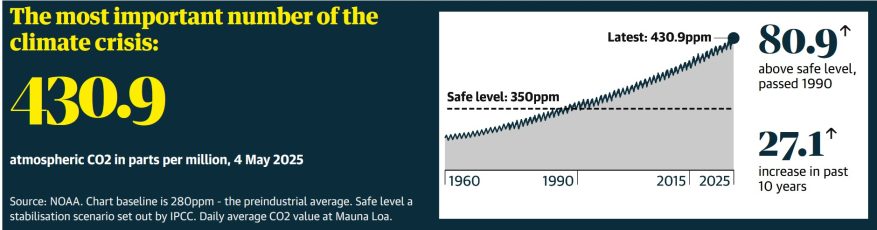
There are economic benefits to ramping up renewables, which include job creation. There are also about 420 parts per million of greenhouse gases in our atmosphere; the safe level is 350. We must start bringing them down.
Capping emissions is a practical, safe way to get to net zero by 2050. We are currently laggards among the G7 in reducing emissions.
The focus now should be on expanding use of renewables.
Lyn Adamson Toronto
Re: Massive wildfire in southwestern Nova Scotia has coastal town of Shelburne on edge, Toronto Star, June 1st, 2023
The wildfires in Nova Scotia are causing huge suffering, loss and damage. Yet, I wonder if we are learning about the reason for the fires as few articles make the connection with the burning of fossil fuels.
Climate scientists have been warning us for a long time to expect this kind of impact. The effects of climate disruption vary in terms of the timing and location but the attribution is clear. Burning fossil fuels causes rising greenhouse gas levels in the atmosphere. This causes higher temperatures and extreme weather such as drought, which greatly increase the risks of out-of-control wildfires. To prevent this suffering in the future we need to slash our greenhouse gas emissions. We need to electrify everything and phase out dependence on oil and gas.
Let’s work together to achieve our emissions reduction targets — for a safer world.
Lyn Adamson Toronto
Re: We built a volcano, and then threw Alberta in, Globe & Mail, May 20th, 2023
Alberta is burning and it is not the first time, nor the only example of fossil-fuelled wildfires. What is it going to take for the industry and its financial backers (one of the biggest being the Royal Bank of Canada) to stop playing with fire? Let’s start a discussion about all the solutions ready and waiting, and call out those whose short-sighted pursuit of profit continue to slow the renewable energy transition.
Valerie Endicott Toronto
Re: Wildfire officials warn of heat in Alberta’s south, Toronto Star, May 15th, 2023
According to this latest article, there are 19,300 Albertans that have been evacuated and over 1,500 Albertans fighting the wildfires. There have been daily articles describing the conditions and the hardship being experienced by both caused by “hot and dry conditions.”
What is ironic is that the very province which emits the most heat-trapping pollutants in Canada, not only from its fossil fuel production, but from the burning of its products shipped to other parts of the world, is now suffering the most from climate change (in Canada).
What is puzzling is that there is no mention of climate change, nor the burning of fossil fuels, the primary cause of climate change, in these articles, nor in the rest of Canadian mainstream media.
Ray Nakano Toronto
Re The uncomfortable truth about Canada’s climate commitments: they won’t be met, Globe & Mail, April 26th, 2023
I don’t give in to the perspective that we’re not going to make it. I am a Canadian and I’m not depressed; I’m driven to take action.
I lobby our elected representatives. I work to better inform and motivate the public about our climate crisis.
I advocate for immediate action to stop burning fossil fuels, subsidizing the industry, leniently enforcing regulations, exploring new developments such as Bay du Nord and building infrastructure such as the Trans Mountain pipeline. I promote initiatives such as electrifying “everything, everywhere, all at once,” to quote United Nations Secretary-General Antonio Guterres.
Let’s do everything we can to persuade our governments and communities to undertake urgent action. We only have these next few years to get Canada on track to meet its targets.
We should do this before it’s too late.
Ray Nakano Toronto
Re: Why Canada’s tapped an energy company to help get homeowners off natural gas, Toronto Star, Dec. 8th, 2022
What a fiasco! Enbridge has been running the Home Efficiency Rebate program on behalf of the Ontario government for years. You can receive rebates for insulating your attic, air sealing your doors and windows, buying a high efficiency furnace, but the one thing that you cannot get a rebate for … an electric heat pump.
No surprise there. Enbridge makes money for their owners and shareholders by selling natural gas, and heat pumps use electricity.
Now, in its wisdom and at the urging of the Ontario government (no surprise there, either), the federal government has asked Enbridge to run its Greener Homes Grant program in Ontario.
This is an obvious conflict of interest.
Ray Nakano Toronto
Re: Canada ranks behind U. S., China in performance, Toronto Star, November 19th, 2022
This week, the latest Climate Change Performance Index 2023 was released during COP27. Out of 63 countries, Canada ranked 59th in climate change performance. We were even lower than China and the U.S. There was scarcely a mention by Canadian mainstream media of this embarrassment to Canada.
Climate change is the existential threat that is already wreaking destruction around the world, including here. Think of the heat dome in B.C., the burning down of Lytton, the flooding in Abbotsford, the chaos created by Hurricane Fiona in the Maritimes.
Yes, the Emergencies Act inquiry, COVID- 19 resurgence, and the U. S. midterms are all important, but we are talking about whether future generations will be able to survive in an overheated and flood-inundated world.
They will not, unless we take drastic and urgent action to phase out our production and burning of fossil fuels, here in Canada and around the world.
Ray Nakano Toronto
Re: Floods devastate South Asia, and Europe grapples with early heat wave, Toronto Star, June 19th, 2022
Millions of people are suffering from floods and mudslides in Bangladesh; unprecedented heat waves and wildfires in Europe, the U.S. Midwest, India, and Pakistan, and other parts of the world. Millions are being displaced from destroyed homes, many without sufficient water or food.
And it’s going to get worse as the summer is just beginning.
Canadian mainstream media says this is happening due to climate change. It would be more accurate if they called this what it is: a climate crisis. And Canadian main- stream media never connects the dots with regard to what is causing the climate crisis: our continued subsidizing, extraction and burning of fossil fuels.
The federal government provided $3.3 billion in subsidies last year to fossil fuel companies.
Canadians are paying for their own demise, and that of the world.
Ray Nakano Toronto
 Mobilize, Canada!